
Introduction
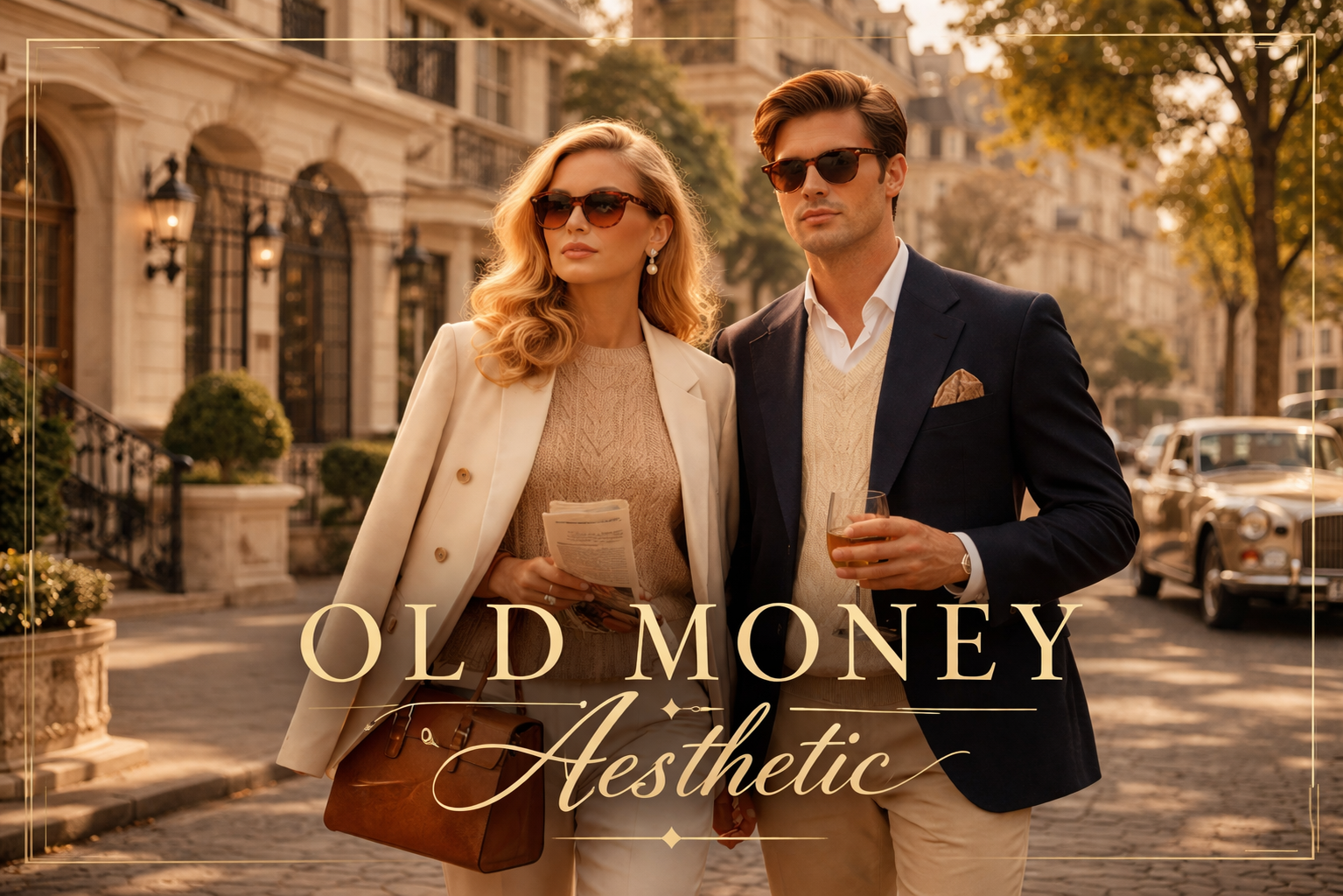
Fashion trends come and go, but some styles remain timeless. One such trend gaining massive popularity in the United States is the old money aesthetic. Unlike fast-changing fashion fads, this style focuses on elegance, simplicity, and quiet luxury.
The old money aesthetic is not about flashy logos or expensive designer labels. Instead, it represents a refined lifestyle rooted in tradition, quality, and understated confidence. From neutral color palettes to tailored outfits, this trend reflects a sense of effortless sophistication.
In this guide, you will learn everything about old money fashion, how it differs from modern trends, and how you can adopt this style without spending a fortune.
What Is the Old Money Aesthetic?
The old money aesthetic refers to a classic fashion style associated with generational wealth. It is inspired by the way wealthy families in the US and Europe have dressed for decades.
This style focuses on:
-
Timeless clothing pieces
-
Neutral and muted colors
-
High-quality fabrics
-
Minimal branding
-
Clean and tailored fits
The goal is to look elegant and polished without appearing like you are trying too hard.
Why Is the Old Money Aesthetic Trending?
The rise of this trend is not random. Several factors have contributed to its popularity:
1. Shift Away from Fast Fashion
People are moving away from cheap, low-quality clothing and investing in durable pieces.
2. Influence of Social Media
Platforms like Pinterest and TikTok have popularized “quiet luxury” and classic outfits.
3. Desire for Simplicity
Minimalism is becoming more appealing in a world filled with noise and excess.
4. Timeless Appeal
Unlike trendy styles, old money fashion never goes out of style.
Key Elements of Old Money Fashion
To achieve this look, you need to understand its core elements.
1. Neutral Color Palette
Colors play a major role in this aesthetic. Common shades include:
-
White
-
Beige
-
Cream
-
Navy
-
Black
-
Olive
These colors create a clean and sophisticated appearance.
2. High-Quality Fabrics
Fabric quality matters more than brand names. Look for:
-
Cotton
-
Linen
-
Wool
-
Cashmere
These materials not only look better but also last longer.
3. Tailored Fit
Clothing should fit perfectly. Avoid overly tight or baggy outfits.
Tailoring adds structure and instantly upgrades your look.
4. Minimal Branding
Logos and flashy designs are avoided in this style. The focus is on subtle elegance rather than showing off brands.
5. Classic Pieces
Old money fashion is built on timeless wardrobe essentials.
For men:
-
Blazers
-
Dress shirts
-
Loafers
-
Chinos
For women:
-
Silk blouses
-
Midi skirts
-
Structured handbags
-
Simple heels
How to Build an Old Money Wardrobe
You do not need a large budget to achieve this look. The key is to invest wisely.
Step 1: Start with Basics
Focus on essential items like:
-
White shirt
-
Neutral trousers
-
Classic blazer
These pieces can be mixed and matched easily.
Step 2: Choose Quality Over Quantity
Instead of buying many cheap items, invest in fewer high-quality pieces.
Step 3: Stick to Neutral Colors
Avoid bright and loud colors. Keep your wardrobe consistent and elegant.
Step 4: Focus on Fit
Even affordable clothes look expensive when they fit well.
Step 5: Add Subtle Accessories
Accessories should be minimal:
-
Leather belts
-
Simple watches
-
Classic sunglasses
Old Money Aesthetic for Men
Men’s fashion in this style is clean, structured, and refined.
Outfit Ideas:
-
White shirt + beige chinos + loafers
-
Navy blazer + grey trousers
-
Polo shirt + tailored shorts
Style Tips:
-
Keep hair neat and simple
-
Avoid oversized logos
-
Focus on grooming
Old Money Aesthetic for Women
Women’s fashion emphasizes elegance and grace.
Outfit Ideas:
-
Silk blouse + midi skirt
-
Neutral dress + minimal heels
-
Sweater + tailored trousers
Style Tips:
-
Choose natural makeup
-
Keep hairstyles simple
-
Avoid excessive accessories
Old Money vs New Money Style
Understanding the difference helps you avoid common mistakes.
Old Money Style:
-
Subtle and understated
-
Focus on quality
-
Minimal branding
New Money Style:
-
Flashy and bold
-
Heavy logos
-
Trend-driven
The old money aesthetic is about quiet confidence, not showing off wealth.
Common Mistakes to Avoid
Many people misunderstand this trend. Avoid these mistakes:
-
Wearing fake luxury brands
-
Over-accessorizing
-
Choosing trendy over timeless pieces
-
Ignoring fit and tailoring
-
Using too many bright colors
Keeping things simple is the key.
Can You Achieve This Look on a Budget?
Yes, absolutely.
You can build an old money wardrobe without spending a lot by:
-
Shopping from affordable brands
-
Buying during sales
-
Visiting thrift stores
-
Focusing on basics instead of trends
The goal is not to look rich, but to look refined.
Best Occasions for Old Money Style
This fashion style works well for many situations:
-
Formal events
-
Office wear
-
Casual outings
-
Travel
Its versatility makes it a practical choice for everyday life.
Why This Trend Will Last
Unlike fast fashion trends, the old money aesthetic is built on timeless principles.
It focuses on:
-
Quality
-
Simplicity
-
Elegance
These values never go out of style, which is why this trend is expected to remain popular for years.
Conclusion
The old money aesthetic is more than just a fashion trend. It is a reflection of a lifestyle centered around simplicity, quality, and timeless elegance.
By focusing on neutral colors, well-fitted clothing, and minimalism, anyone can achieve this sophisticated look without spending excessively.
As fashion continues to evolve, styles like this remind us that true elegance does not depend on trends, but on consistency and confidence.
The Psychology Behind the Old Money Look
The appeal of the old money aesthetic is not just visual—it is psychological.
People associate this style with:
-
Stability
-
Confidence
-
High social status
-
Trustworthiness
When someone dresses in a clean, minimal, and structured way, it signals control and discipline. This is why the old money look often creates a strong first impression without being loud or flashy.
Color Psychology in Old Money Fashion
Colors play a powerful role in how outfits are perceived.
In old money fashion:
-
White represents simplicity and cleanliness
-
Beige and cream signal calmness and elegance
-
Navy blue reflects authority and confidence
-
Black adds sophistication and power
These colors are carefully chosen to create a balanced and refined appearance.
Seasonal Old Money Outfit Ideas
Adapting this style to different seasons is important.
Summer:
-
Linen shirts
-
Light cotton trousers
-
Neutral dresses
-
Loafers or sandals
Winter:
-
Wool coats
-
Cashmere sweaters
-
Dark tailored trousers
-
Leather boots
Spring/Fall:
-
Light blazers
-
Layered outfits
-
Neutral knitwear
This flexibility makes the old money aesthetic practical year-round.
How Celebrities Influence This Trend
Many public figures and influencers have contributed to the rise of this aesthetic.
They promote:
-
Minimalist outfits
-
Neutral tones
-
Classic tailoring
As a result, more people are shifting away from flashy fashion and adopting a more refined, timeless style.
Old Money Aesthetic and Lifestyle Connection
This fashion style is often linked with a specific lifestyle.
It reflects:
-
Discipline and routine
-
Attention to detail
-
Preference for quality over quantity
-
Calm and composed personality
This is why the old money aesthetic feels more like a mindset than just clothing.
How to Transition Your Wardrobe Gradually
You don’t need to change everything at once.
Start by:
-
Replacing bright clothes with neutral tones
-
Adding one structured blazer
-
Upgrading shoes to classic styles
-
Removing overly trendy pieces
Small changes over time can completely transform your style.
Budget-Friendly Brands to Achieve This Look
You can achieve this aesthetic without luxury brands by choosing:
-
Basic, well-fitted clothing
-
Neutral color collections
-
Simple, timeless designs
Focus on how clothes look and fit, not the label.
Final Extended Insight
The reason the old money aesthetic continues to grow is because it offers something modern fashion often lacks—consistency.
Instead of chasing trends, it focuses on:
-
Timeless design
-
Long-term value
-
Effortless elegance
This makes it not only stylish but also practical for everyday life.
Related posts:
 Pope Francis’ Health: The Latest Update from the Vatican
 Star Wars introduces the first transgender stormtrooper: a groundbreaking step for representation.
 Husband divorces wife after she kissed Romeo Santos on stage during a concert.
 Transgender Woman Divides the Internet After Revealing Why She Cannot Date Men
 Carol Vorderman, 63, stuns fans with incredible photos of her ageless physique.
 Wyoming man caught after 40 years on the run for using the identity of a deceased classmate.
 Alec Baldwin’s wife admits she didn’t fully understand the prenup before marriage.
 Netflix Viewers Threaten to Cancel Subscriptions After Release of ‘Supers*x’ Trailer