
Introduction
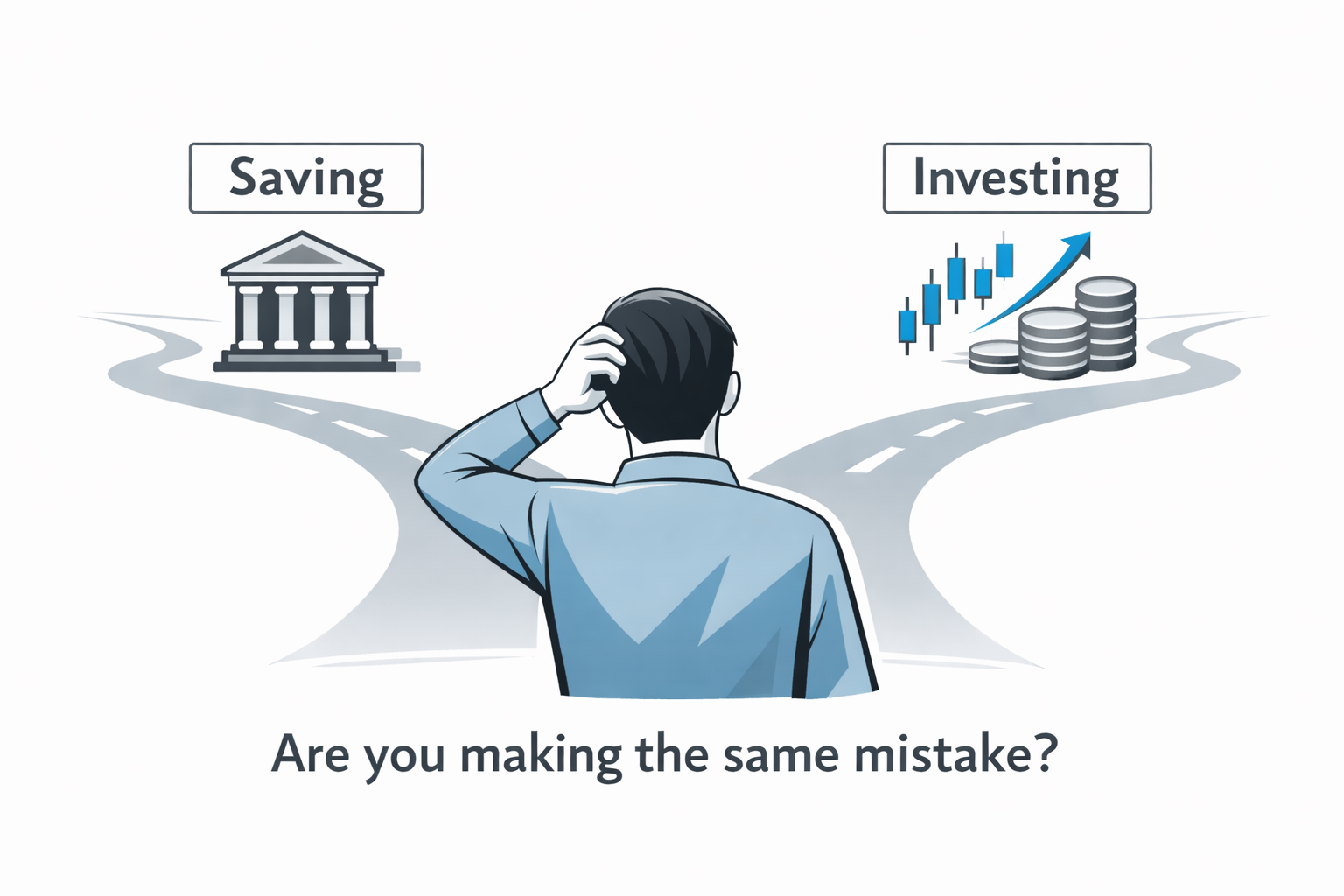
Managing money properly is essential for financial stability and long-term growth. Two of the most important parts of financial services are banking and investment services. While both help you manage money, they serve very different purposes.
At the same time, many people make simple mistakes when using these services, which can lead to financial loss or missed opportunities. Understanding the difference between banking and investment services—and knowing what mistakes to avoid—can help you make smarter financial decisions.
What Are Banking Services?
Banking services are designed to help you manage your daily money. These services are usually provided by banks and include:
-
Savings accounts
-
Current accounts
-
Money transfers
-
Debit and credit cards
The main purpose of banking services is safety and convenience. Your money stays secure, and you can easily access it whenever needed.
What Are Investment Services?
Investment services help you grow your money over time. Instead of just saving, you invest your money to earn returns.
Common investment options include:
-
Stocks
-
Mutual funds
-
Bonds
-
Real estate
Investment services are usually offered by financial institutions, brokers, or investment platforms.
Key Difference Between Banking and Investment Services
The main difference is purpose and risk.
Banking services:
-
Focus on safety
-
Low risk
-
Low returns
-
Easy access to money
Investment services:
-
Focus on growth
-
Higher risk
-
Higher potential returns
-
Money may be locked for a period
In simple terms, banking helps you store money, while investing helps you grow money.
Which One Should You Choose?
The answer is not one or the other—you need both.
Use banking services for:
-
Daily expenses
-
Emergency funds
-
Short-term savings
Use investment services for:
-
Long-term goals
-
Wealth building
-
Financial growth
A balanced approach is always the best strategy.
Common Financial Service Mistakes to Avoid
Many people use financial services incorrectly. Here are some common mistakes:
Not Understanding the Difference
Some people treat savings like investments or expect high returns from bank accounts. This leads to unrealistic expectations.
Keeping All Money in the Bank
Saving money is good, but keeping everything in a bank account limits growth because returns are very low.
Investing Without Knowledge
Jumping into investments without understanding risks can lead to losses.
Not Diversifying
Putting all your money into one type of investment is risky. Diversification helps reduce risk.
Ignoring Financial Goals
Without clear goals, it becomes difficult to decide where to save or invest.
Fear of Risk
Some people avoid investing completely because of fear. This can stop long-term financial growth.
How to Avoid These Mistakes
To use financial services wisely:
-
Understand the basics before making decisions
-
Keep emergency savings in a bank
-
Invest gradually and carefully
-
Diversify your investments
-
Set clear financial goals
-
Review your finances regularly
The Importance of Balance
A strong financial plan always includes both banking and investment services. Banking gives you stability, while investing helps you grow wealth.
Ignoring either one can create problems. Too much saving limits growth, and too much investing without safety can increase risk.
Conclusion
Banking and investment services are both essential parts of financial management. Understanding their differences helps you use them effectively.
By avoiding common mistakes and maintaining a balance between saving and investing, you can build a secure and financially stable future.
Making smart decisions today can lead to long-term success and financial freedom.
Related posts:
 What the New Trade Deal Really Means for Small and Local Businesses
Scaling Strategies: Empowering Small Businesses in a Competitive Market Landscape
Navigating the Business Seas: Strategies for Success in a Dynamic World
Navigating the Business Landscape: Unconventional Tips for Success
The Art of Business Alchemy: Transformative Strategies for Unprecedented Success
Thriving in the Modern Business Landscape: Strategies for Success
Successful Business Marketing Strategies, Trends, and Tips
Business marketing essentials, effective strategies, and key trends for 2024
What the New Trade Deal Really Means for Small and Local Businesses
Scaling Strategies: Empowering Small Businesses in a Competitive Market Landscape
Navigating the Business Seas: Strategies for Success in a Dynamic World
Navigating the Business Landscape: Unconventional Tips for Success
The Art of Business Alchemy: Transformative Strategies for Unprecedented Success
Thriving in the Modern Business Landscape: Strategies for Success
Successful Business Marketing Strategies, Trends, and Tips
Business marketing essentials, effective strategies, and key trends for 2024