
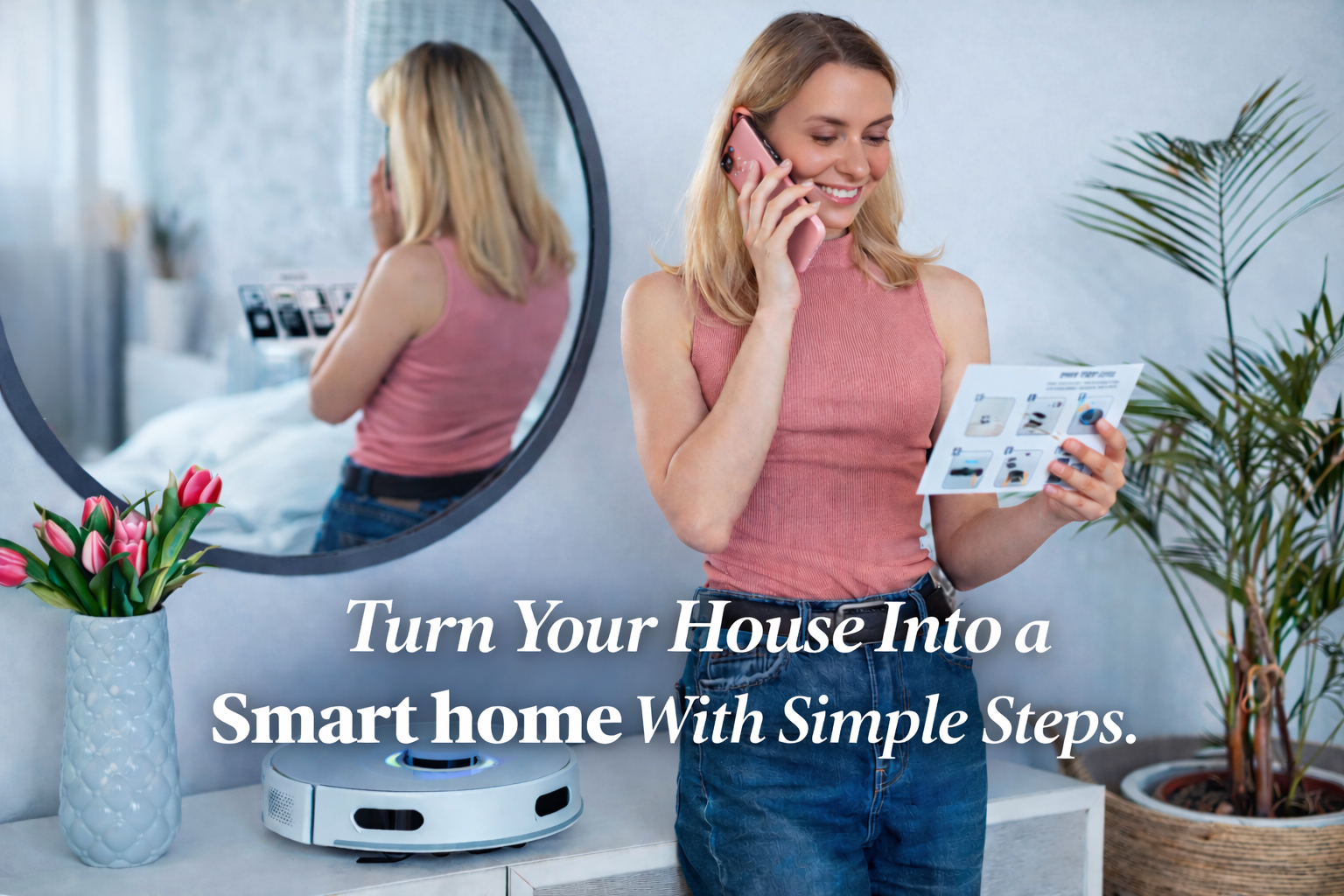
Introduction
Technology is rapidly changing how we live, and one of the biggest transformations is happening inside our homes. A smart home is no longer a luxury—it has become a practical way to improve comfort, security, and efficiency.
From controlling lights with your voice to monitoring your home from anywhere, smart home devices are making everyday life easier. In the United States especially, more households are adopting smart technology to save time, reduce energy usage, and increase convenience.
This guide will help you understand how to set up a smart home, what devices you need, and why it is important.
What Is a Smart Home?
A smart home is a house equipped with devices that can be controlled remotely using a smartphone, tablet, or voice assistant.
These devices are connected through the internet and can automate tasks such as lighting, temperature control, security, and entertainment.
Why Smart Homes Are Important
Smart homes are not just about convenience—they offer real benefits:
-
Save time on daily tasks
-
Improve home security
-
Reduce energy consumption
-
Increase comfort and control
-
Enhance overall lifestyle
In a fast-paced world, smart homes help simplify routines and reduce stress.
Step-by-Step Smart Home Setup Guide
Let’s break it down into simple steps:
Step 1: Start with a Smart Hub or Voice Assistant
The first step is choosing a central system that controls your devices.
Popular options include:
-
Amazon Alexa
-
Google Assistant
Why It’s Important
This acts as the brain of your smart home, allowing you to control everything with voice commands or one app.
Step 2: Install Smart Lighting
Smart lights are one of the easiest ways to start.
Features
-
Turn lights on/off remotely
-
Adjust brightness
-
Change colors
-
Set schedules
Why It’s Important
They save energy and add comfort by automating lighting.
Step 3: Add Smart Plugs
Smart plugs turn regular appliances into smart devices.
What You Can Do
-
Control fans, TVs, or kettles remotely
-
Set timers for devices
Importance
Affordable and very useful for beginners.
Step 4: Upgrade to a Smart Thermostat
A smart thermostat controls your home temperature automatically.
Benefits
-
Adjust temperature remotely
-
Save energy
-
Learn your habits over time
Why It Matters
It reduces electricity bills and keeps your home comfortable.
Step 5: Install Smart Security Devices
Security is one of the biggest advantages of a smart home.
Devices to Consider
-
Smart doorbells
-
Security cameras
-
Smart locks
Importance
You can monitor your home from anywhere, increasing safety and peace of mind.
Step 6: Use Smart Speakers
Smart speakers make controlling your home easier.
What They Do
-
Play music
-
Answer questions
-
Control other devices
Importance
They improve convenience and make your home interactive.
Step 7: Add Smart Appliances
Advanced setups include smart appliances like:
-
Smart refrigerators
-
Smart washing machines
-
Smart air conditioners
Why Use Them
They automate tasks and improve efficiency in daily life.
Best Smart Home Devices to Consider
Here are some popular gadgets for a smart home:
-
Smart bulbs
-
Smart plugs
-
Smart speakers
-
Security cameras
-
Smart locks
-
Robot vacuum cleaners
These devices work together to create a complete smart living experience.
Benefits of a Smart Home
1. Convenience
Control everything from your phone or voice.
2. Energy Efficiency
Reduce electricity usage with automation.
3. Security
Monitor your home anytime.
4. Time Saving
Automate repetitive tasks.
5. Comfort
Customize your environment easily.
Common Mistakes to Avoid
Many people make mistakes when setting up smart homes:
-
Buying too many devices at once
-
Ignoring compatibility between devices
-
Not securing their network
-
Choosing cheap, low-quality products
Tips for a Perfect Smart Home Setup
-
Start small and expand gradually
-
Choose devices that work together
-
Use a strong Wi-Fi connection
-
Focus on your needs, not trends
-
Keep your system secure
How Smart Homes Improve Daily Life
Smart homes make daily routines easier:
-
Wake up with automated lights
-
Control temperature without moving
-
Monitor your home remotely
-
Save time on chores
They bring comfort, control, and efficiency into everyday living.
Future of Smart Homes
The future of smart homes is even more advanced. With artificial intelligence and better connectivity, homes will become smarter, faster, and more personalized.
We can expect:
-
Fully automated homes
-
Better energy management
-
Advanced security systems
-
Smarter voice assistants
Conclusion
Smart homes are transforming the way people live. They offer convenience, security, and efficiency, making everyday life easier and more comfortable.
Starting a smart home does not require a huge investment. By beginning with basic devices and gradually upgrading, anyone can enjoy the benefits of smart living.
In today’s modern world, turning your home into a smart home is not just a trend—it’s a smart decision.
Related posts:
 Why This New AI App Could Replace Your Personal Assistant
The Best Noise-Canceling Headphones Under $200
The Pros and Cons of Switching to a Fully Digital Payment Wallet
5 Innovative Smart Home Devices You Didn’t Know You Absolutely Needed
Why Car Subscription Services Are Rapidly Gaining Popularity
Inside NASA’s Plans for the First Human Mission to Mars
Why This New AI App Could Replace Your Personal Assistant
The Best Noise-Canceling Headphones Under $200
The Pros and Cons of Switching to a Fully Digital Payment Wallet
5 Innovative Smart Home Devices You Didn’t Know You Absolutely Needed
Why Car Subscription Services Are Rapidly Gaining Popularity
Inside NASA’s Plans for the First Human Mission to Mars
 Best Everyday Gadgets That Make Life Easier in This Era